SKC RARE EARTH MINERAL LTD
RARE STRENGTH, GREEN FUTURE
SKC RARE EARTH MINERAL LTD
RARE STRENGTH, GREEN FUTURE

SKC RARE EARTH MINERAL LTD
RARE STRENGTH, GREEN FUTURE
RARE STRENGTH, GREEN FUTURE
RARE STRENGTH, GREEN FUTURE
RARE STRENGTH, GREEN FUTURE
India's rare earths journey started with the setting up of the Public Sector Undertaking (PSU) called the Indian Rare Earth Limited in 1950. It was a bold move to get a toehold in a sector that would eventually become the backbone of the global electronic industry. But a slew of reasons ranging from lack of demand initially to IREL's initial focus on other industrial minerals that came from beach sands and regulatory hurdles meant that India lost out on this opportunity.
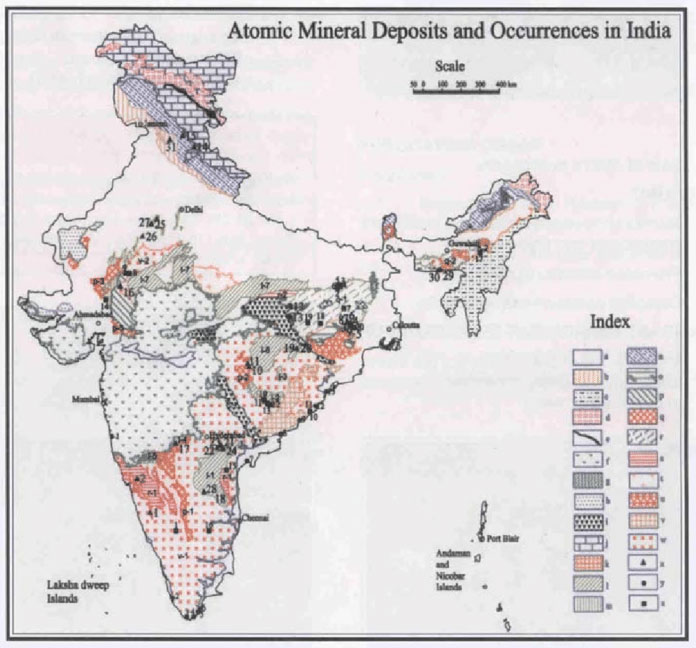
India's technological dependence on China due to lack of demand meant importing finished magnets proved to be far more economical. Moreover, India's rare earth elements are found in monazite sands -which also contain thorium (a radioactive element) - classifying them as 'atomic' to stringent and time-consuming regulatory hurdles for clearances have all led to India losing out on the rare earth opportunity. The fact that the sector has been largely dominated by the government has added to the challenges.
Long gestation period for projects and lack of incentives have largely kept the private sector away from the sector. India has the world's fifth largest rare earth reserves in the world and accounts for less than one percent of global production.
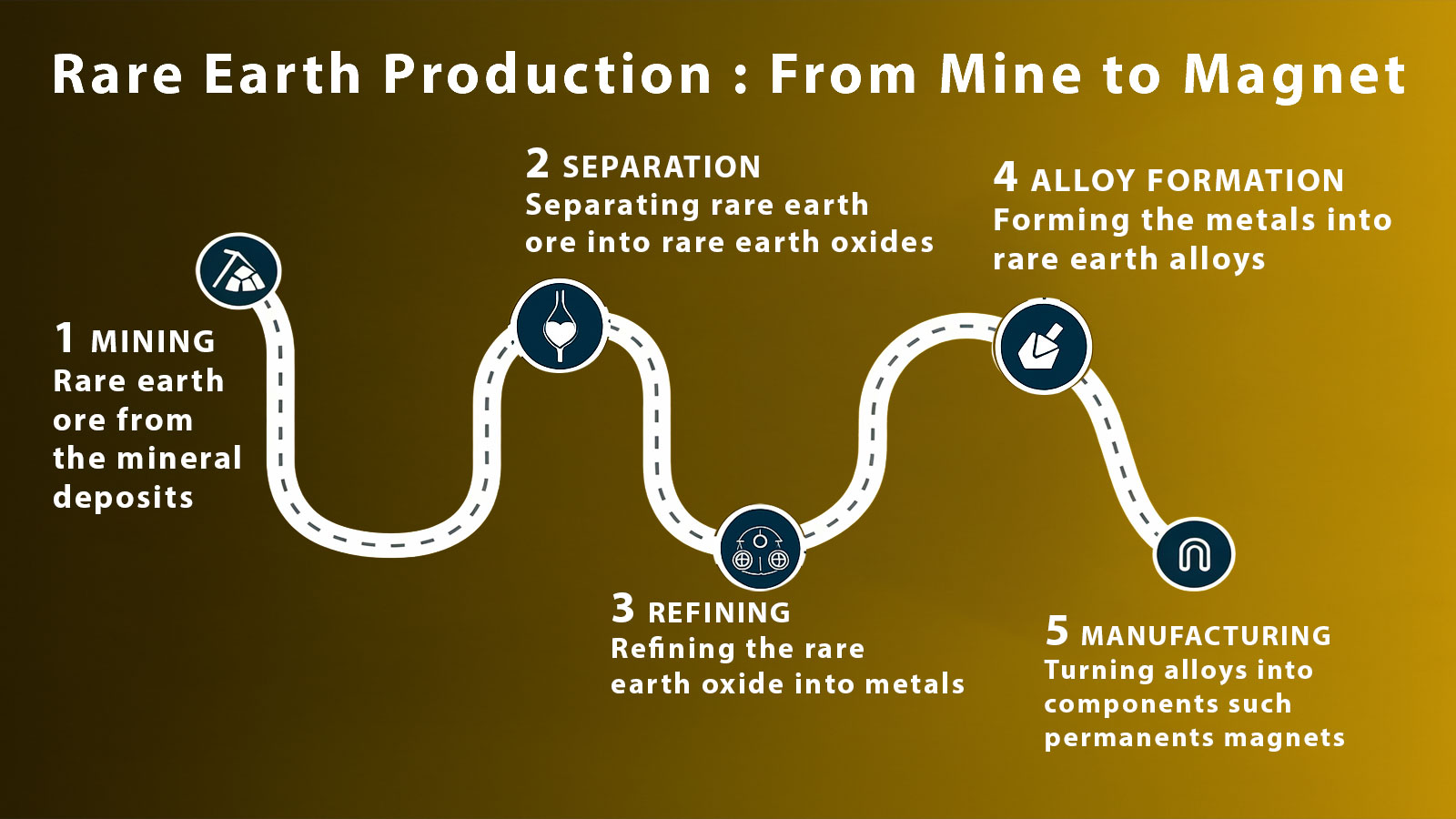
The domestic rare earth element production capacity of India is around 3,000 tonnes. Among this, IREL produces around 500 tonnes of Neodymium-praseodymium (NdPr) oxide a year, which is crucial for production of REPMs. Currently, IREL is the only company which makes NdPr at a relatively large scale. NdPr is the main raw material for manufacturing of permanent magnets.
However, in 2024-25, India imported 43,610 tonnes of REPMs Rare Earth Permanent Magnets - used in Electric Vehicles, Aerospace, computers et cetera-- from China, according to data sourced from Ministry of Heavy Industries. About 90% of imports of REPMs were sourced from China.
The National Critical Mineral Mission, launched in April 2025, to boost the mining, production, as well as processing of rare earths and other critical minerals.
The NCMM doesn’t only talk about domestic production, but also going overseas and acquiring assets that can meet our supplies of rare earths. The NCMM points out right interventions needed for securing consistent supply of rare earths.
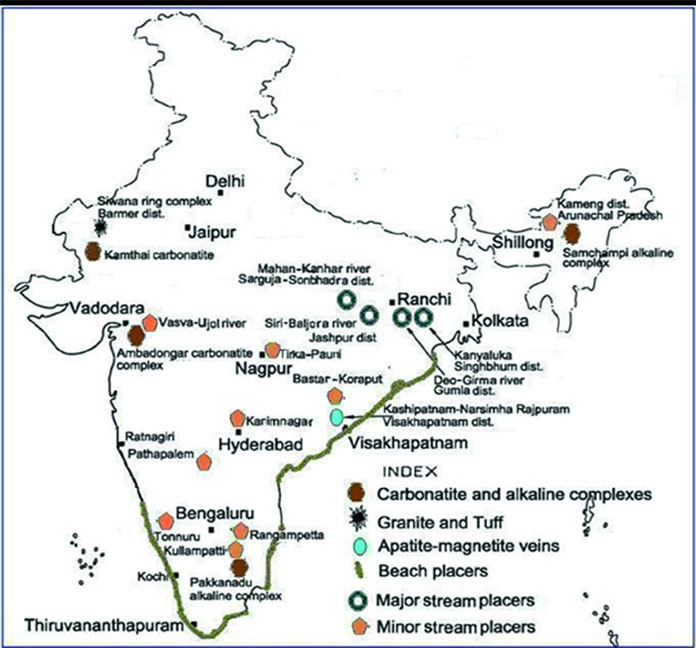
Under the NCMM, the Geological Survey of India (GSI) has been tasked with conducting 1,200 exploration projects from 2024-25 to 2030-31. Earlier in 2021-22 and 2022-23, the GSI conducted reconnaissance surveys for rare earth elements (REEs) including neodymium in Sirohi and Bhilwara districts of Rajasthan. Additionally, the Department of Atomic Energy discovered around 1,11,845 tonnes of in-situ Rare Earth Elements Oxide (REO) in Balotra, Rajasthan.
Under the mission, a fast-track regulatory approval system has been introduced. A new Exploration Licence (EL) will encourage private sector participation. Recovery of minerals from secondary sources like fly ash, tailings, and red mud will be promoted through relaxed rules and incentives. Efforts will also focus on trace mineral assessment, development of processing parks, and increased involvement of state governments and PSUs in the critical mineral value chain.
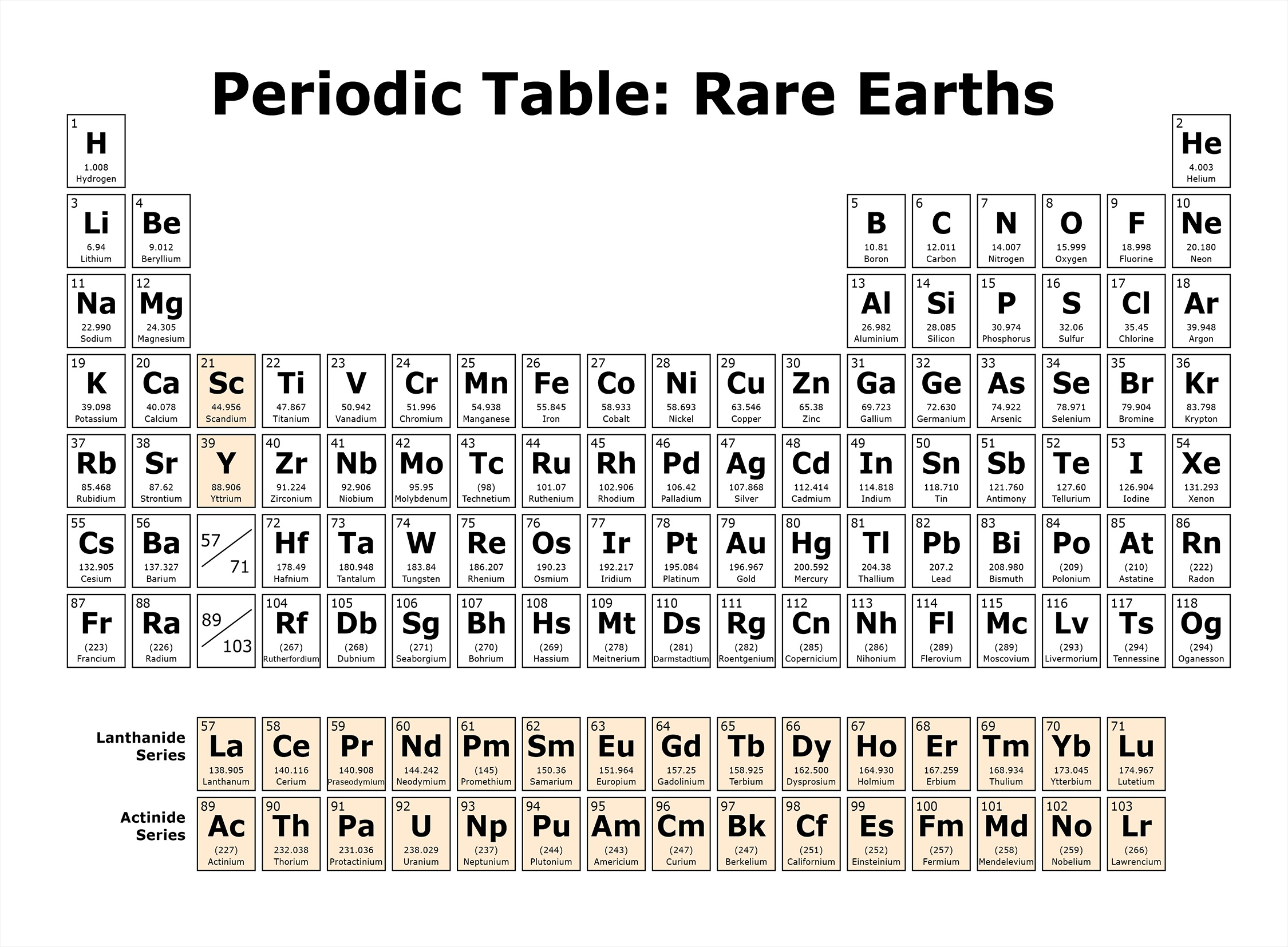
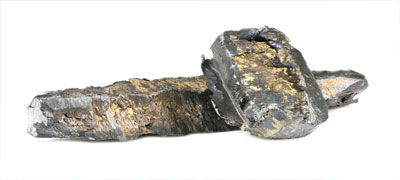
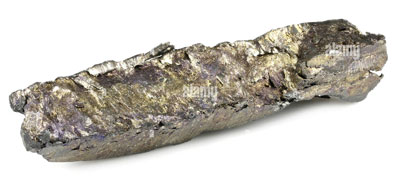
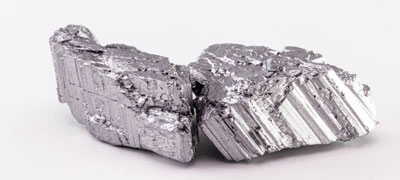
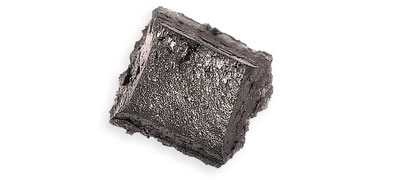
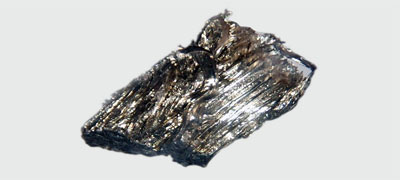
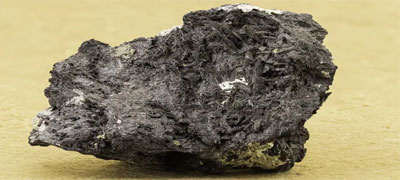
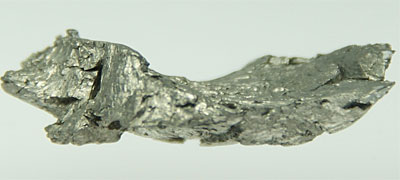
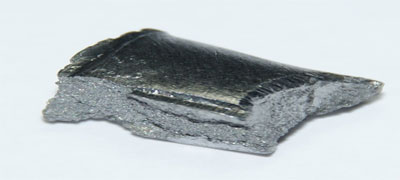
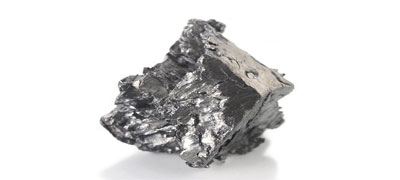
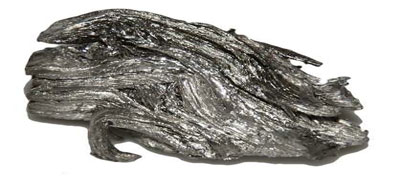
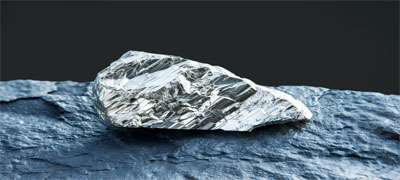
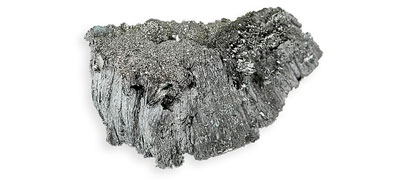
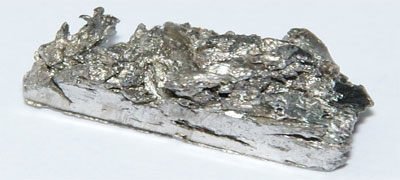
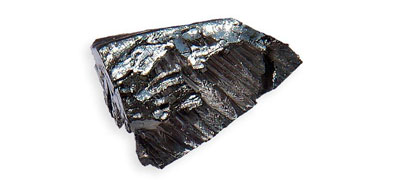
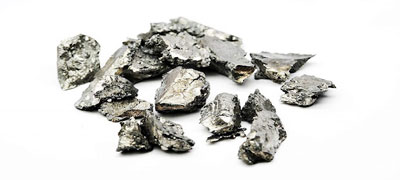
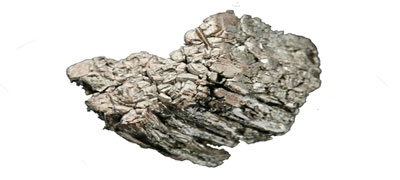
Rare Earth elements are the general name of the Lanthanide Rare Earth Group, it contains 17 elements including scandium (Sc), yttrium (Y), lanthanum (La), cerium (Ce), praseodymium (Pr), neodymium (Nd), promethium (Pm), samarium (Sm), europium (Eu), gadolinium (Gd), terbium (Tb), dysprosium (Dy), holmium (Ho), erbium (Er), thulium (Tm), ytterbium (Yb), lutetium (Lu). The term “rare earth” has been used since the 18th century, because of technical constraints, rare elements were hardly separated, obtained oxide does not melt, neither insoluble in water, its appearance resembles “soil”, and called rare earth.
Rare Earth elements are divided into “light rare earth elements” and “heavy rare earth elements” : “Light rare earth” refer to SC, Y, La, CE, PR, ND, PM, SM, EU with small atomic numbers.“Heavy rare earth elements” refer to Gd, TB, Dy, Ho, Er, TM, Yb, Lu with relatively large atomic numbers.
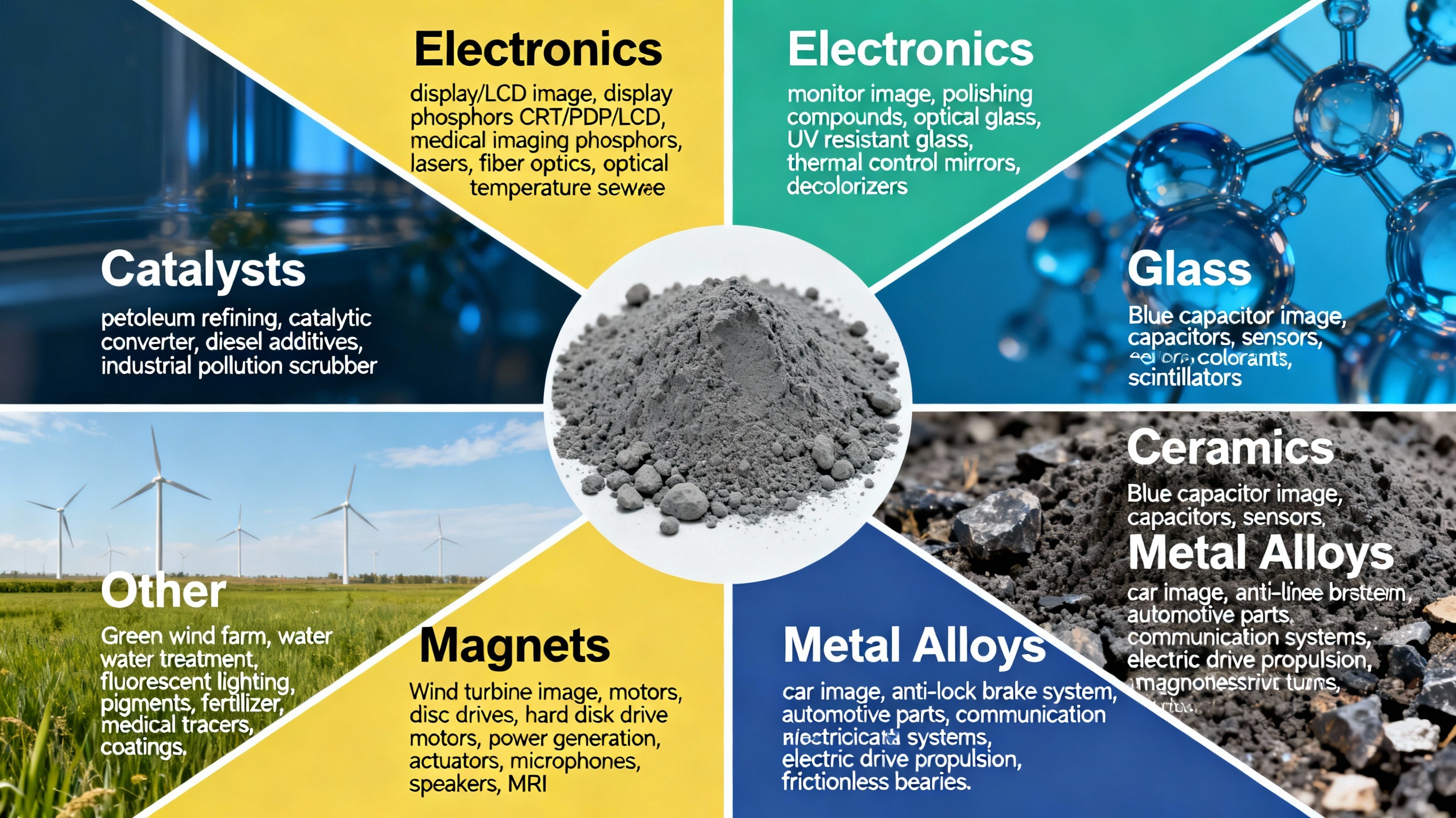
Explore the various applications of rare earth elements
We are present across major cities in India
3rd Floor, TBS Workspace, Odyssa Business Center, Rasulgarh, Bhubaneswar Odisha – 751010
Unit No 417, 4th Floor, Workafella, 431 Anna Salai, Teynampet Chennai – 600018
Abhishek Point – 3rd Floor, 152, S P Mukherjee Road, Kolkata – 700026
F5, 1st Floor, Pee Gee Mall, Opp. Medical Trust Hospital, Pallimukku, M G Road,
Ernakulam – 682016
Flat No 101B, Ground Floor, Sai Vigneswara Balla Classic, Plot No 112-C, Block No 23, Dwarakanagar, Visakhapatnam – 530017
 203, Aziz Avenue, VP Road, Vile Parle (W) Mumbai 400056
  contact@skcreml.com
  022-26100787